


Speakers

Dr. Samyami Sangeeta Chowdhury
Dr. Chowdhury is Assistant Professor at McMaster Children’s hospital, Canada. Dr. Chowdhury completed her Bachelor of Science degree, B.Sc (Honours) in Cell Physiology and Pharmacology at The University of Leicester (UK). She then continued to study Medicine and Surgery at Warwick University, earning her MBChB degree. Dr. Chowdhury is a dual qualified Pediatrician and Pediatric Neurologist, board certified by The Royal College of Pediatrics and Child Health, UK. She rigorously trained in The London School of Pediatrics where she earnt her MRCPCH and then completed Neurology subspecialty training at The Oxford School of Pediatrics (The John Radclife, Oxford University Hospital, NHS Trust).
Dr. Chowdhury pursued further study in Pediatric Neurovascular Medicine, by joining The SickKids Stroke program, Toronto (Canada), as an Ischemic Stroke Fellow. In her second year, she became the inaugural AHA-Bugher Pediatric Hemorrhagic-Stroke Fellow, cross appointed to the University of California, San Francisco (UCSF). Her primary role was to establish the world’s first Pediatric Hemorrhagic Stroke Registry with the International Pediatric Stroke Society (IPSS), and study imaging, biomarkers, epidemiology and social determinants of health in pediatric brain vascular malformations; a collaborative effort with co-fellows from UCSF, Yale and Harvard (Bugher V). She has been an integral part of the SickKids Neurovascular Program, collaborating with Neurosurgery and Neurointervention, actively contributing to research and providing comprehensive medical care.
Dr. Chowdhury is focused on providing wholesome holistic pediatric care. She is particularly interested in diagnosing and managing both acute and chronic medical sequela of hemorrhagic stroke including; seizures, epilepsy, movement disorders, complex headache, spasticity / tone management and general pediatric health. Dr. Chowdhury’s interests include the breadth of neurovascular disease in children, especially neonatal vascular malformations, Cavernoma, AVM, Cerebral Venous Sinus Thrombosis and childhood arteriopathies. Dr. Chowdhury is an active member of the Boston-London-Toronto Cerebrovascular Consortium and International Pediatric Stroke Organization (IPSO). She is well published in reputed journals including JAMA, Stroke, Neurology, European Journal of Epilepsy and JNIS. Dr. Chowdhury has written numerous book chapters; she mostly recently published a chapter in Swaimans Textbook of Pediatric Neurology on childhood CSVT. She has established a busy pediatric stroke practice at McMaster Children's Hospital and additionally continues her work within The SickKids Neurovascular program.
In her spare time, Dr. Chowdhury is a culinary enthusiast and Artiste. She paints acrylic on canvas, a musician trained in Indian Classical Vocal, Bansuri (Bamboo flute), Violin and Assamese folk dance. She is a featured instrumentalist on the Emmy award winning reality show, Survivor.

Dr. Edward Smith
Dr. Edward Smith is a principal investigator in the Vascular Biology Program, professor at Harvard Medical School and the R. Michael Scott endowed chair in neurosurgery at Boston Children's Hospital, with degrees from Dartmouth, Columbia, Harvard and the Massachusetts Institute of Technology. He is the Vice-chair and Chief of Operations (COO) of the top ranked department of pediatric neurosurgery in the United States and, together with Darren Orbach, leads the Cerebrovascular Surgery and Interventions Center, which sees one of the highest volumes of complex pediatric cerebrovascular disease in North America.
His research on cerebrovascular disease and brain tumors focuses on non-invasive biomarkers and novel therapeutics. He has published textbooks, >300 peer-reviewed and invited articles and >100 chapters. His laboratory in the Vascular Biology Program has been supported by NIH and foundation funding and reported the first-ever use of non-invasive urinary biomarkers in brain tumors. He has let multi-center clinical trials on brain tumor and stroke, innovated novel surgical approaches, partnered with industry on development of targeted therapeutics and had his work incorporated into the 2009, 2019 and 2025 national guidelines for the Angioma Alliance and the American Heart and Stroke Associations.
Dr. Smith was a founder of the Boston-London-Toronto Cerebrovascular Consortium, currently serves as the national medical director of the Coalition to Cure Cavernous Malformations in the US and is a member of the Board of Directors for the International Pediatric Stroke Organization. He has been recognized for his teaching and mentoring, including co-leading the first pediatric cerebrovascular fellowship in the United States and receiving the R. Michael Scott Mentoring Award.

Ava Sarkis
Ava Sarkis, MHSc, S-LP, Reg. CASLPO, Reg. ACSLPA, is the Adult Clinical Lead Speech-Language Pathologist (SLP) for Mountain Speech-Language Services and an SLOP with Niagara Health at Home. As Adult Clinical Lead, she provides clinical leadership and mentorship while supporting the growth and development of adult SLP services across the Niagara and Hamilton regions. In her clinical practice, Ava provides in-person assessment and rehabilitation for adults with communication, cognitive-communication, voice, and swallowing disorders throughout Niagara, as well as specialized virtual assessment and rehabilitation services for adults across Ontario and Alberta. Her clinical practice has a particular focus on stroke, acquired brain injury, and progressive neurological diseases.
Ava completed her Bachelor of Arts in Linguistics from Brock University before earning her Master of Health Science in Speech-Language Pathology at the University of Toronto. During her graduate training at Toronto General Hospital, Princess Margaret Hospital, and the stroke rehabilitation program at Hennick Bridgepoint Hospital, she found her passion for neurorehabilitation and dysphasia care. She later spent the first five years of her career at St. Joseph's Healthcare Hamilton, where she provided SLP services in the Emergency Department, General Surgery, Internal Medicine, and Nephrology units, as well as on the dedicated COVID-19 unit during the pandemic. She concluded her time there as the lead SLP on the Complex Care Unit, providing SLP assessment, intervention, and management for adults with medically complex conditions across inpatient rehabilitation, tracheostomy and ventilator care, and palliative and end-of-life care programs.
In addition to her clinical work, Ava is a regular guest lecturer at Brock University, where she teaches undergraduate students about neurogenic communication disorders and dysphasia. She is passionate about translating complex neurological conditions into practical, accessible information that empowers individuals and their families to make informed decisions while promoting patient autonomy throughout the rehabilitation journey. She is honoured to speak with the Cavernous Malformation Canada community and hopes to help individuals and families better understand the effects of neurological injury, navigate rehabilitation, and advocate for their communication, swallowing, and quality of life.
.jpg)
Dr. Gary K Steinberg
Gary K. Steinberg was born in Brooklyn, New York and was raised in Westchester County, New York. He graduated summa cum laude with Honors in Biology from Yale University, where he was elected to Phi Beta Kappa. Before attending medical school he studied classical trumpet on a music study scholarship at the Institute for Advanced Musical Studies in Montreux, Switzerland. He was accepted into the Medical Scientist Training Program at Stanford University School of Medicine and graduated with an M.D. and a Ph.D. in Neurosciences in 1980. He completed his surgical internship and residency in Neurological Surgery at Stanford under John Hanbery. During his training he received an NIH NINDS Individual National Research Service Award to investigate aneurysmal subarachnoid hemorrhage, and he spent one year studying cerebrovascular surgery with Charles Drake in London, Ontario.
In 1987 Dr. Steinberg joined the faculty at Stanford as Assistant Professor in Neurosurgery, being promoted to associate professor with tenure in 1993 and professor in 1997. He founded the Stanford Stroke Center in 1991 and is currently the Co-Director, and is Founder and Director of the Stanford Moyamoya Center. He served as Chair of the Department of Neurosurgery at Stanford from 1995-2020 and holds the Bernard and Ronni Lacroute-William Randolph Hearst Endowed Chair of Neurosurgery and the Neurosciences. Over the past 25 years Dr. Steinberg expanded the department from a faculty of 5 to more than 60 neurosurgeons and scientists.
Dr. Steinberg maintains a busy clinical practice specializing in cerebrovascular surgery. His clinical research is focused on developing innovative surgical, endovascular and radiosurgical approaches for treating patients with difficult intracranial aneurysms, complex vascular malformations and occlusive cerebrovascular disorders including moyamoya disease. He has also spearheaded several early phase clinical trials of stem cell transplantation for chronic stroke and subacute spinal cord injury. Dr. Steinberg's lab investigates pathomechanisms of cerebral ischemia, develops neuroprotective agents, and employs novel approaches such as stem cell transplantation and optogenetic stimulation to enhance post-stroke functional recovery. Dr. Steinberg is heavily involved in teaching, serving as Neurosurgery Program Director from 1995-2004 and training more than 180 residents, clinical fellows, post-doctoral research fellows, graduate students and medical students. He has published over 425 peer reviewed articles, more than 135 book and video chapters, and edited 5 books primarily related to clinical and basic aspects of cerebrovascular disease. He has received grants as Principal Investigator from the AANS NREF, American Heart Association, California Institute for Regenerative Medicine and has held continuous NIH funding since 1987, including R01 and P01 Grants.
The many honors Dr. Steinberg has received include an AANS Young Faculty Award; Santa Clara County Medical Association Outstanding Achievement in Medicine Award; President of the Western Neurosurgical Society; 2016 Congress of Neurological Surgeons Annual Meeting Charles Drake Lecturer; Stanford University Medicine Alumni Association J.E. Wallace Sterling Lifetime Achievement Award in Medicine; American Heart Association/American Stroke Association Stroke Progress and Innovation Award; Society of Neurological Surgeons H. Richard Winn, M.D. Prize; Smithsonian American Ingenuity Award; American Association of Neurological Surgeons/Congress of Neurological Surgeons Joint Cerebrovascular Section, Ralph G. Dacey, Jr., M.D. Medal for Outstanding Cerebrovascular Research and California Association of Neurological Surgeons, Byron Cone Pevehouse Distinguished Service Award. Dr. Steinberg has been Visiting Professor at numerous academic institutions internationally and given more than 600 invited talks at scientific meetings throughout the world. He has been a member of NIH NINDS Study Sections, the NIH NASCET Monitoring Committee, and served on the editorial boards of the Journal of Cerebral Blood Flow and Metabolism, Neurosurgery, Cerebrovascular Diseases, the Journal of Stroke and Cerebrovascular Diseases, Indian Journal of Neurosurgery and World Neurosurgery.
Dr. Steinberg is married to Sandra Garritano. His son Jeff is a cerebrovascular neurosurgeon and his daughter Liz is a child psychologist.
.png)
Dr. Atif Zafar
Dr. Atif Zafar obtained his Bachelor of Medicine, Bachelor of Surgery (MBBS) from Dow Medical College and completed his residency at the University of Iowa Hospital and Clinics. He also completed a Vascular Neurology Fellowship at the Cleveland Clinic. Upon completing his fellowship, Dr. Zafar became an Assistant Professor of Stroke and Vascular Neurology at the University of New Mexico School of Medicine, then moved to the position of Chief of the Stroke Program at University of New Mexico School of Medicine.
Dr. Zafar was the Assistant Professor of Medicine, Division of Neurology at the University of Toronto, the Co-Director of the Fellowship Program-Stroke at St. Michael's Hospital and the Medical Director of St. Michael's Hospital Comprehensive Stroke Program until June 2025. Currently, he is the Neurology Attending and Tele-Neurologist in Dallas, Texas for Tele-Specialists USA.
Dr. Zafar's clinical focus is on complex stroke cases and cerebrovascular diseases. His academic pursuits involve a personalized stroke algorithm, equitable care access and patient-centered care development. Dr. Zafar has been the PI and co-PI in various United States and Canadian trials, including NIH grants. His collaborative work has been published in Stroke, Lancet, New England Journal of Medicine, JAMA Neurology, and Nature Communications.

Dr. Elizabeth (Liza) Pulcine
Dr. Elizabeth (Liza) Pulcine is a pediatric neurologist and stroke specialists who cares for neonates, children and adolescents with various neurovascular disorders. Her clinical care and research focuses on all aspects of childhood stroke including etiology, diagnosis, early treatment, prevention and rehabilitation. Additionally, she is an Assistant Professor at the University of Toronto and Staff Physician in the Division of Neurology, Hospital for Sick Children, Toronto, Ontario, Canada. She is currently the Fellowship Director of the Children’s Stroke Program at the Hospital for Sick Children.
Dr. Pulcine completed her residency training in Paediatric Neurology at The Hospital for Sick Children and pursued further subspecialty training in Paediatric Neurovascular Disease at The Hospital for Sick Children and the Children’s Hospital of Philadelphia. While completing her fellowship training, she was accepted into the Clinician Investigator Program and attained a Master of Science degree looking at the safety of antithrombotic therapy in children with stroke and congenital heart disease. Personally, Dr. Pulcine in a native of Toronto, Canada, a mother of two boys and one Bernedoodle, and, in her spare time is passionate about reading fiction, listening to podcasts, running and weight-training.

Dr. Joanna Schaafsma
Dr. Joanna Schaafsma is a cerebrovascular neurologist at Toronto Western Hospital, University Health Network, and an Associate Professor at the University of Toronto, Canada. She completed her medical degree and MSc at the University of Groningen in the Netherlands, followed by an internship in vascular neurology in Paris, France, and a PhD combined with neurology residency at Utrecht University in the Netherlands. After a stroke fellowship in Toronto, she joined the faculty of the University of Toronto. Her clinical practice, research, and teaching centre on interdisciplinary decision-making and advanced imaging in cerebrovascular disease. She has a particular interest in vascular anomalies that lead to hemorrhagic stroke, including cavernous malformations and intracranial aneurysms, as well as in hemodynamic stroke.

Dr. Jennifer Quon
Dr. Jennifer Quon is a paediatric neurosurgeon at The Hospital for Sick Children and an Assistant Professor in the Department of Surgery at the University of Toronto. She is also an Associate Scientist-Track Investigator in the Neurosciences and Mental Health program at the SickKids Research Institute.
Dr. Quon has broad clinical interests in paediatric neurosurgery including the surgical treatment of brain tumours, particularly through endoscopic endonasal approaches, as well as vascular disorders in children. Her research interests include machine learning applications in medical imaging and paediatric neurosurgical diseases.

Dr. Ben Goult
Ben Goult is Professor of Mechanistic Cell Biology at the University of Liverpool and studies how cells use mechanical forces to control signaling, adhesion and tissue integrity. His research has helped define how force-sensitive proteins such as talin regulate the actin cytoskeleton and cellular behaviour in health and disease.
His current cavernoma research focuses on how the CCM complex connects to the actin cytoskeleton and vascular mechanics. His group recently identified TLNRD1 as a new interacting partner of CCM2 and is investigating whether TLNRD1 may represent a previously unrecognised fourth CCM gene. He works in collaboration with Alliance to Cure Cavernous Malformation, Cavernoma Alliance UK and The Walton Centre NHS Foundation Trust to help translate discoveries in vascular mechanobiology towards improved understanding and treatment of cavernous malformations.

Abraam Ghattas
Abraam earned his Bachelor of Medical Sciences from University of Western Ontario in 2017. He went on to reach his Doctor of Pharmacy degree from Leslie Dan Faculty of Pharmacy at the University of Toronto in 2021. Upon graduation, he started working as a hospital Pharmacist covering various units such as emergency department and stroke and rehabilitation units. Currently, he volunteers with Cavernous Malformation Canada as an Awareness Ambassador and Group Support Peer Facilitator and is interested in cavernous malformation research. In his free time, he likes to play soccer, enjoys weightlifting, volunteering in his community, and hiking across different parks in Ontario.
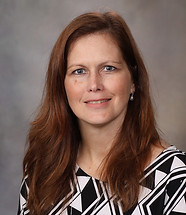
Dr. Kelly D. Flemming
Kelly D. Flemming, M.D., is a neurologist at Mayo Clinic in Rochester, Minnesota who has dedicated much of her career to the care of people living with cerebral cavernous malformation (CCM). She works closely with patients and families to help navigate complex treatment decisions. In addition to caring for patients, Dr. Flemming leads research aimed at understanding why CCMs bleed, how imaging can predict risk, and how factors such as hormones and women's health may affect the disease. She serves as vice chair for the medical advisory board of the Alliance to Cure Cavernous Malformation.

Dr. Peter Dirks
Dr. Peter Dirks is a Professor of Surgery and Molecular Genetics at the University of Toronto. He holds a Harold Hoffman/Shopper Drug Mart Chair in Pediatric Neurosurgery at the Hospital for Sick Children as Division Head. He is a Senior Scientist in the Developmental, Stem Cell and Cancer Biology Program. He is a Fellow of the Royal Society of Canada.
Dr. Dirks received his MD from Queen's University (1989) followed by a PhD at the University of Toronto (1997). He completed neurosurgery training at the University of Toronto (1998) and a pediatric neurosurgery fellowship at Necker Enfants Malades in Paris (1998) Dr. Dirks joined the neurosurgery staff at SickKids in 1998, developing a clinical focus in surgical neuro-oncology and neurovascular disorders.
In 1999, he established his research laboratory in the Arthur and Sonia Labatt Brain Tumour Research Centre at SickKids where in 2004 he was the first to prospectively identify cancer stem cells in human brain tumours, contributing to a paradigm shift in understanding solid cancer growth, and putting emphasis on stemness properties and tissue development both experimentally and conceptually in the study of primary brain tumours.
His research interests continue to lie with the intersection of cancer biology with stem cell and developmental biology, with a focus on uncovering the origins and mechanisms of growth and evolution of glioblastoma and medulloblastoma. He has published nearly 250 papers with 57,000 citations and an h-index of 95. Over his career he has directly mentored over 23 graduate students and 14 postdoctoral fellows.